the seeds
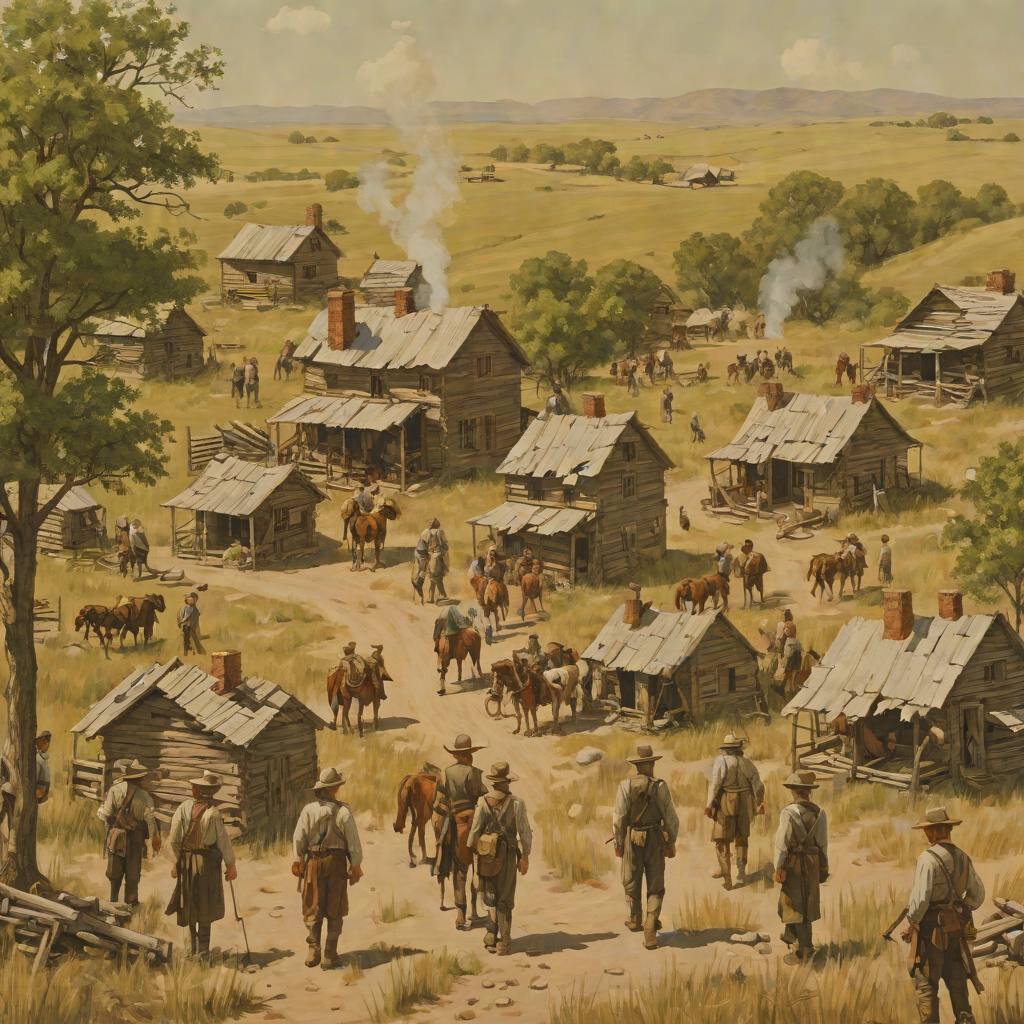
Little House on the PrairieThe seeds are the quiet promise at the heart of the Ingalls family's prairie settlement — the tangible form of Pa's conviction that the rich, treeless land of Indian Territory would yield abundance. Unlike the house, the stable, or even the plough, the seeds are pure potential: small, dry, and inert until planted, they carry within them the entire future the family imagines for itself. Their story in the book moves from being a distant plan, to a purchased reality, to a planted hope, and finally to an abandoned dream, mirroring the family's own trajectory in Indian Territory.
The Seeds as a Promise of the Future
The seeds first appear not as objects but as an idea, spoken by Ma in the aftermath of a frightening encounter. When two Indians walked into the house and took cornbread, tobacco, and nearly the bundle of furs that Pa had been carefully preparing, Ma's response was one of relief: she was thankful they did not take the plough and seeds. Laura, surprised, asked what plough, and Ma explained that Pa was going to trade the bundle of furs for a plough and lots of different seeds in the spring. In that moment, the seeds are defined by their absence — they are the future goods that the furs will become, the reason Pa spent his evenings pulling dry skins between his hands to make them soft, building the bundle that grew bigger every day. The seeds, like the plough, represent the conversion of wild resources into settled agriculture, the transformation of the prairie from hunting ground to farmland.
Purchase in Independence and the Promise of Kings
When Pa returned from his trading trip to Independence, the seeds arrived as part of a larger delivery of provisions. He had bought brown sugar, coffee, cornmeal, salt, and all the seeds that they needed, along with the new plough that he put in the stable. That evening, at what was the happiest supper they had had in a long time, Pa told the family all about the seeds — he had got tobacco seeds and corn seeds, and the seeds of many different kinds of vegetables like carrots and potatoes. His enthusiasm was boundless: 'I tell you, Caroline, when these seeds grow in this rich land of ours, we'll be living like kings!' The phrase 'living like kings' became the family's refrain, the promise that the seeds would deliver them from the hardships of the frontier into a life of plenty. The seeds were thus not merely agricultural supplies but the material basis of a dream of prosperity and self-sufficiency.
Planting and the Prairie Fire
Spring came, and with it the moment the seeds had been waiting for. Pa was working hard, getting ready to plant potatoes, with Pet and Patty pulling the heavy plough that was breaking up the grassy earth and turning it over. Pa liked the land because it was so rich, and there wasn't a tree or stone in it — the seeds would have an easy home. But the planting was interrupted by crisis. Great black clouds gathered in the south across the sun, and Pa shouted 'Prairie fire!' as Pet and Patty came running from the field pulling the plough behind them. The family fought the fire with a tub of water and sacks, while Pa made a long trench all the way around three sides of the house. The fire passed, and the seeds survived, but the threat was a reminder of how precarious the promise of the land really was.
The Green Prairie and the Seeds' Fulfillment
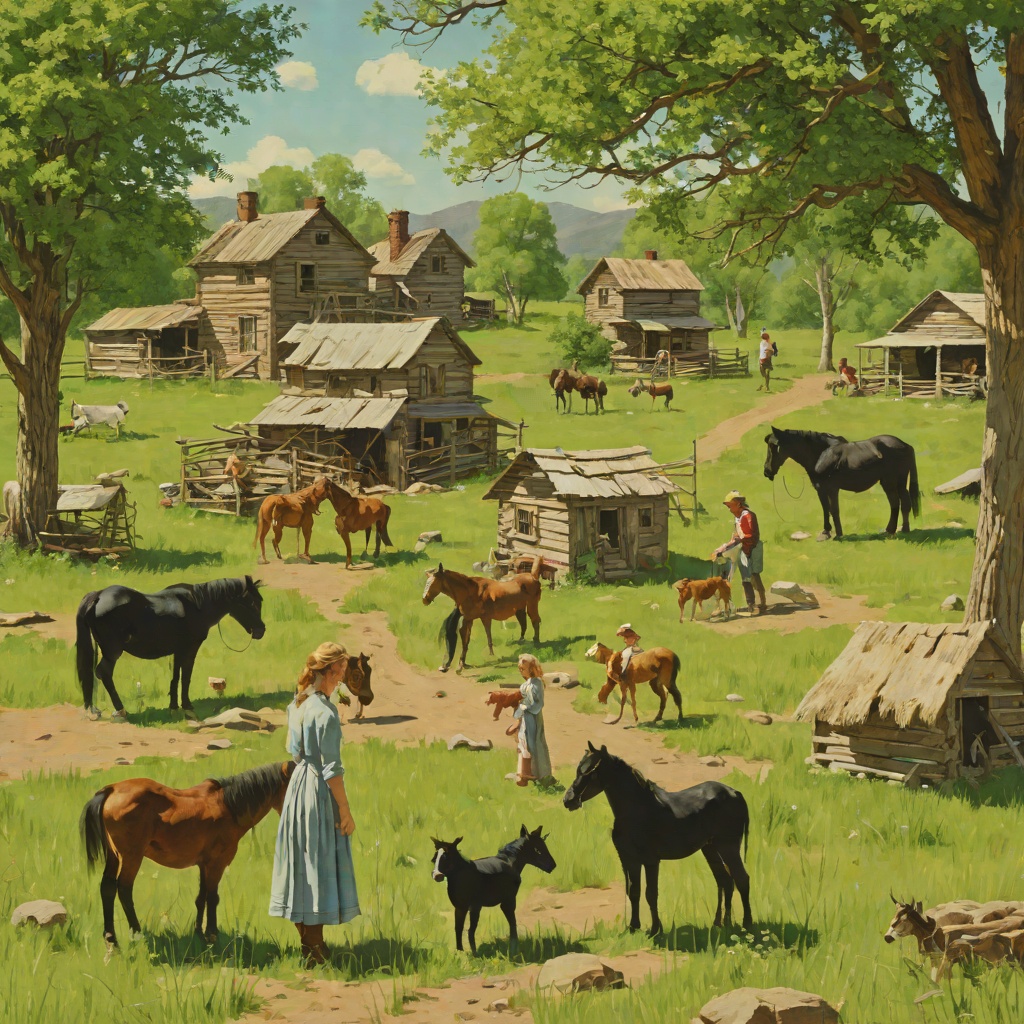
After the fire and the departure of the Indians, the seeds finally fulfilled their promise. One morning the whole prairie was green. Pa hurried into the field with the horses and his plough, and Mary and Laura helped Ma plant the seeds for the vegetables. They were all so happy because spring had come, and Pa repeated his refrain: 'Soon we'll have vegetables to eat and we'll live like kings!' The planting was a family act — Pa in the field, Ma and the girls in the garden — and it marked the moment when the seeds ceased to be potential and became actual growth. The green prairie was the visible proof that the family's labor and hope had taken root.
Abandonment and the Unfinished Promise
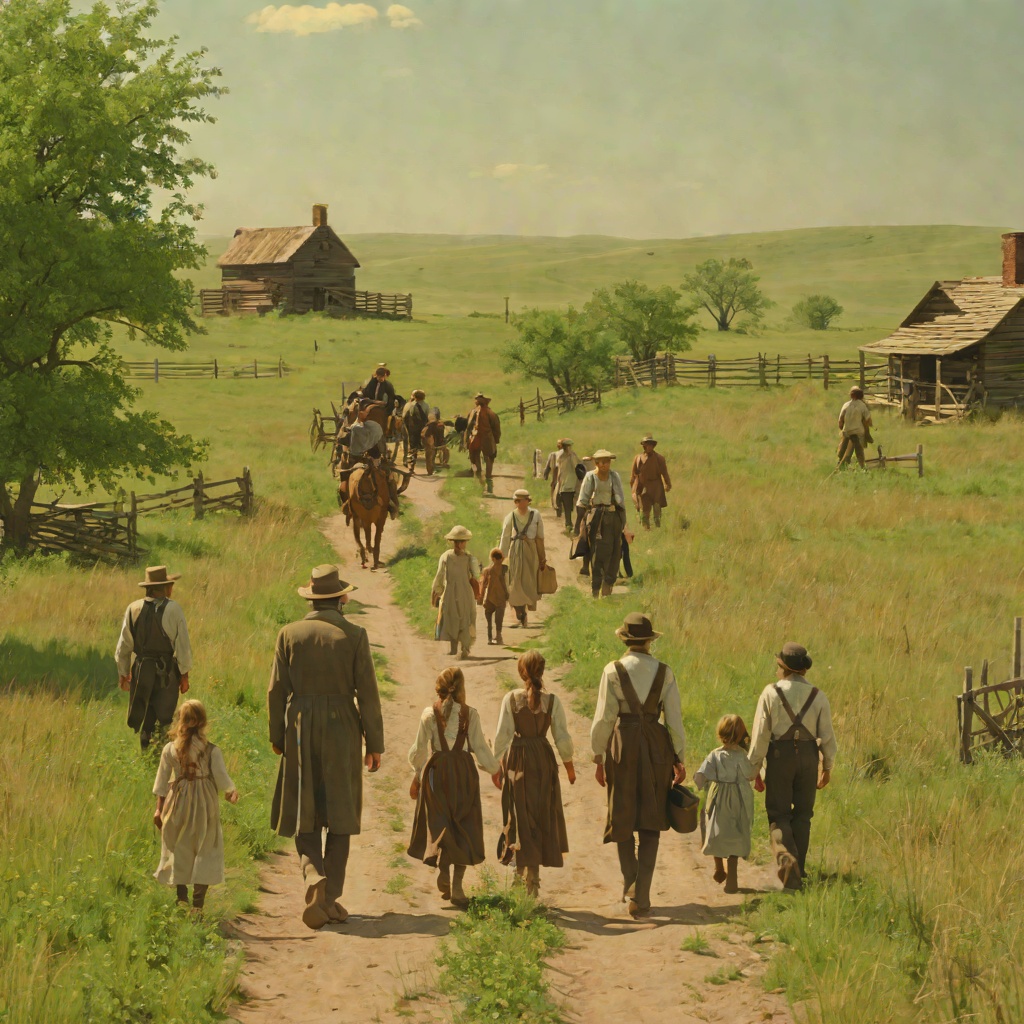
The seeds' story ends not in harvest but in abandonment. When the U.S. government ordered the removal of white settlers from Indian Territory, the family had to pack and leave. The only thing they could not take was the plough — and with it, the seeds that had been planted in the ground. The seeds were left behind in the rich land they were meant to transform, their promise of 'living like kings' cut short by the very government that had opened the territory to settlement. The abandoned seeds, like the abandoned house, mark the limits of the American Dream as it was lived on the frontier: the land was rich, the labor was real, but the claim to the land was never secure. The seeds that were to make the family kings instead became part of the silence and emptiness left behind when the Indians and then the settlers moved on.